

Welcome!
Get started on your enrichment journey with your dog today with the simple to implement ideas below.
Introducing Choice
We control so much of our dogs environment, where they sleep, what they eat, when they have company, when they get outside, when they get inside. Finding ways to introduce choice into your dog’s day can be empowering for them, providing them with a sense of control in parts of their life which is important for mental health.
What to do
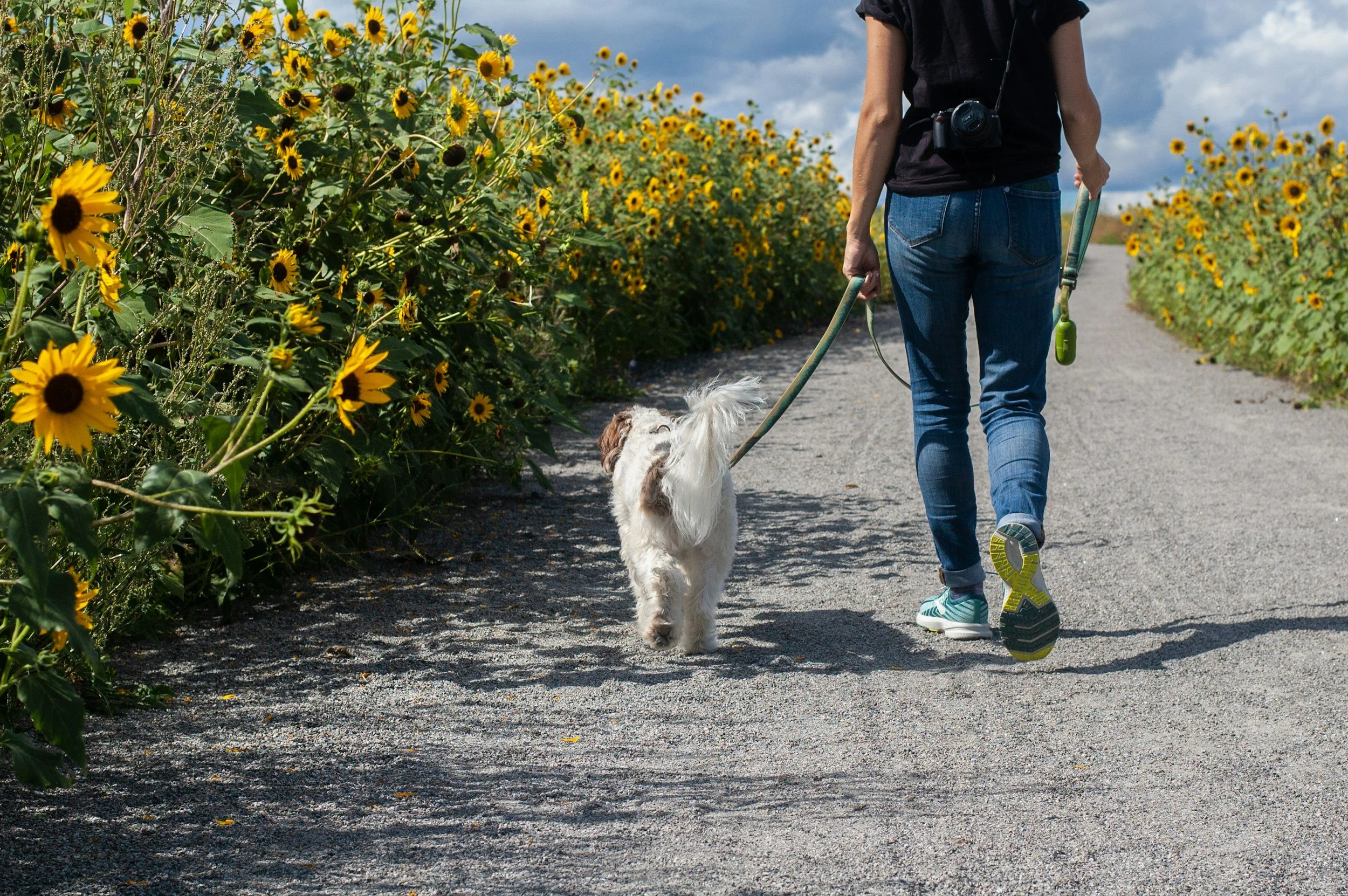
Your dog’s walk is an easy way to start introducing choice. Next time you take your dog for a walk, pause as you leave the house/driveway. Take the opportunity to introduce choice to your dog by allowing them to decide which direction you turn. Initially they might look at you bamboozled but give them an opportunity to start sniffing and see which direction their nose takes them.
Let your dog decide direction
Let your dog decide where the walk takes them.
Let your dog determine the pace. Resist the urge to move them on when you have decided they have sniffed the same blade of grass for long enough!
Behavioural benefits
Building resilience – a sense of autonomy is important for building resilience, feeling like you can control outcomes for yourself is linked to ability to bounce back from challenges.
Combat learned helplessness – showing your dog that they can have control over outcomes, helps confidence in trying new things.
Time for sniffing – relaxing / brain work
What to do
Turn mealtimes into a foraging exercise. Scatter a handful of your dog’s next meal across the lawn / balcony / deck / laundry floor and watch their nose get to work. Raw food can be dotted around the garden in small containers / bowls.
If this is new to your dog, they may not understand at first. Help them out by standing with them, throwing some food, and encouraging them to ‘Find It!’.
If you are concerned about encouraging your dog to hunt for food outside, try popping dry food in a plastic milk bottle – lid removed – and allow them to knock it around to release the food. You can cut more holes in it to make it easier. They will then sniff for the food that drops out.
Behavioural benefits:
Allows a dog to forage – natural dog behaviour
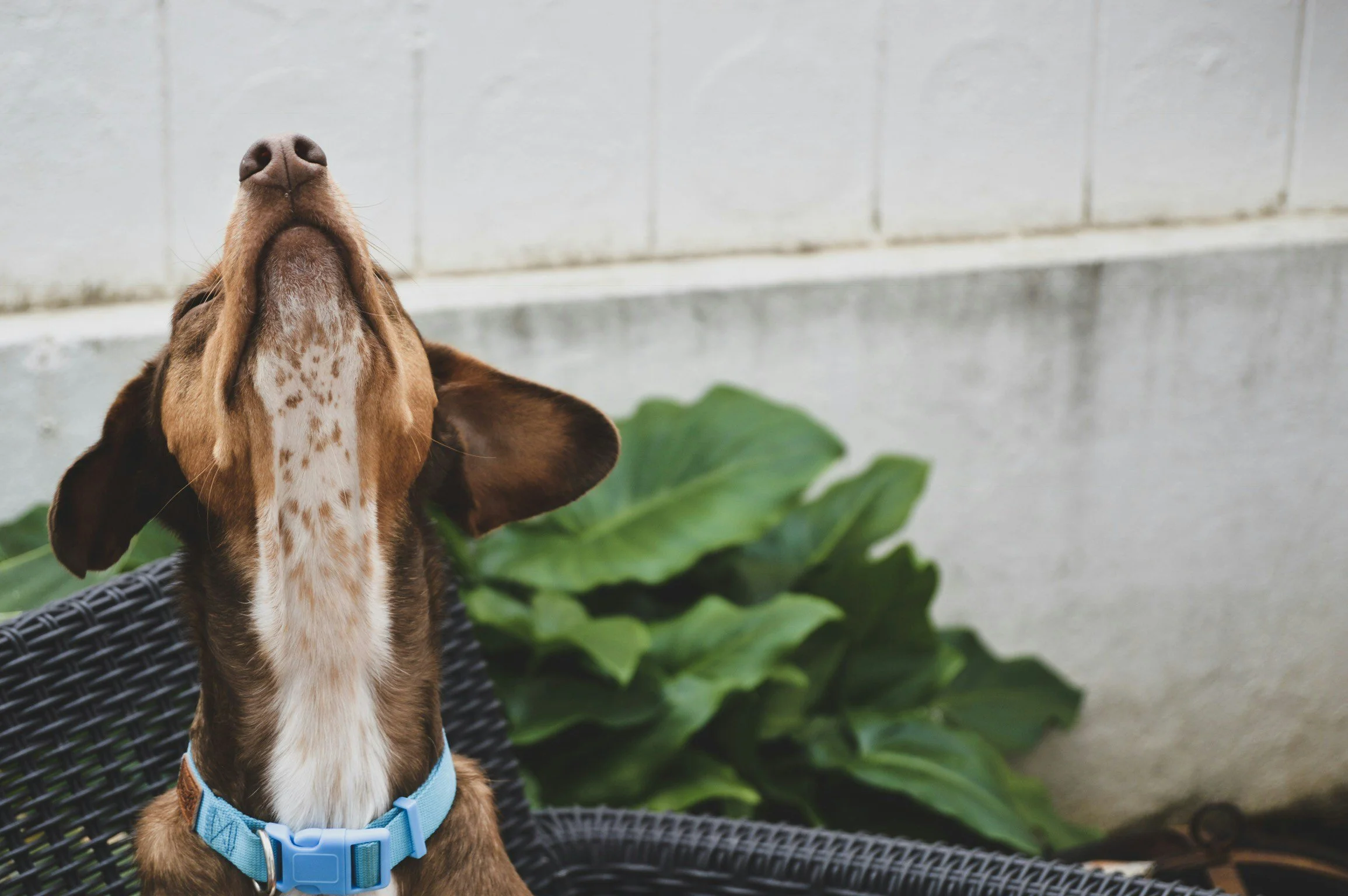
Sniffing – relaxing / brain work / calming
Physical – dog is on the move
Foraging
Forage – to search widely for food or provisions. Foraging is a natural dog behaviour and their nose will often lead them on their hunt for food. Rather than presenting your dog’s daily meals in a bowl you can present their food in ways that encourage foraging behaviours.
What to Do
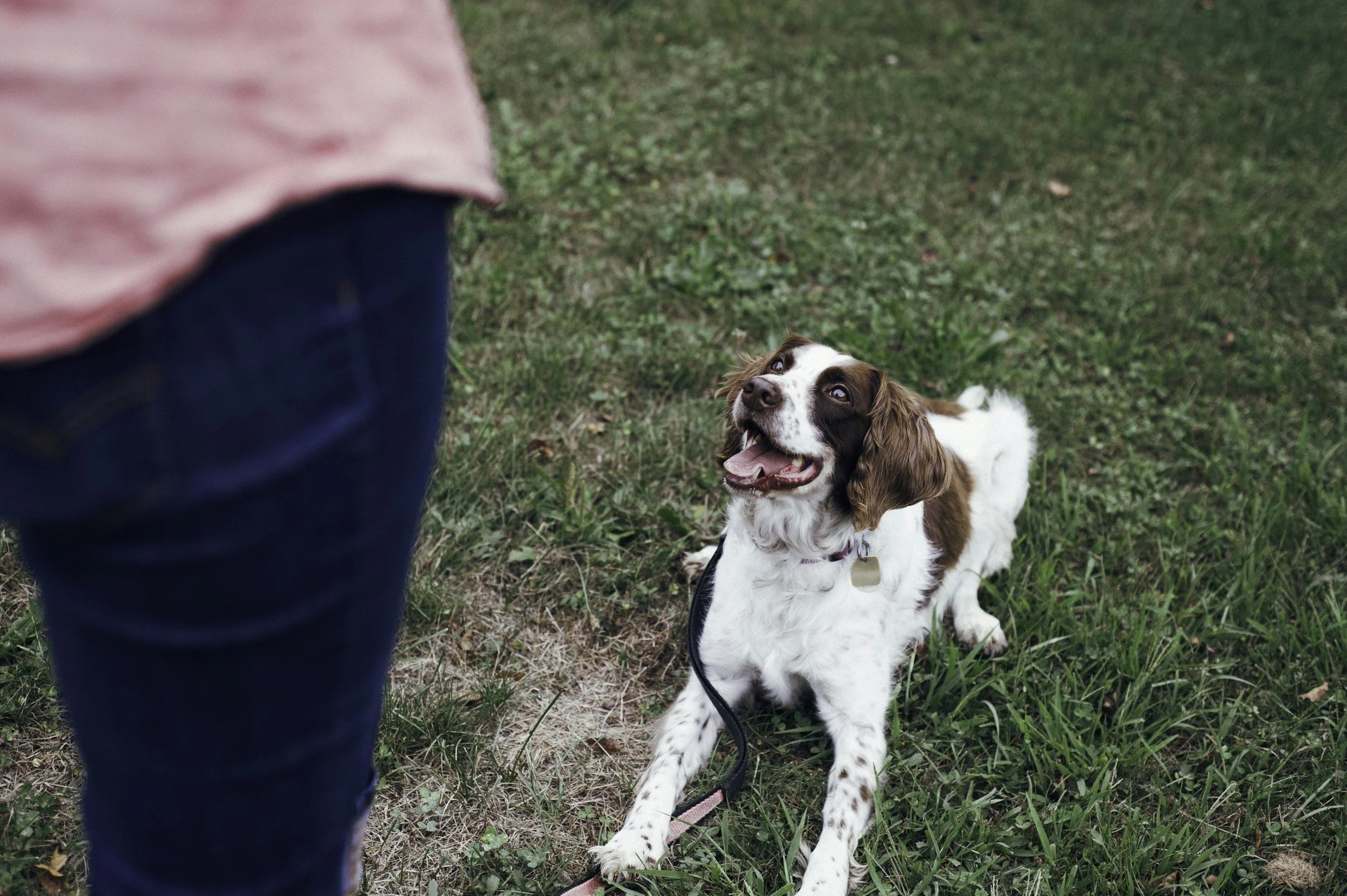
How many times a day do you make a cup of tea? Visit the bathroom? Open the fridge? Think of an activity you do a few times a day, position a jar of treats nearby and every time you do this activity call your dog over, grab a few treats and train a new behaviour or practice an existing one. Two or three repetitions is all we need. Then release your dog with a mini treat scatter to get that nose working.
An easy but very useful behaviour to teach your dog is a hand target use, the link below to view a demonstration.
Hand Target – Demonstration Video
Hand Target – Written Hand Out
Behavioural Benefits:
Brain work – your dog is having to think about what you are asking
Social connection for your dog
Relationship building
Develop a Training Habit
Taking a few minutes, a few times a day to train your dog will not only improve their connection and attention on you but also build behaviour and work their brain. Training doesn’t need to be time consuming or intensive. Little and often will yield results and help keep your dog engaged in the process.
What to do
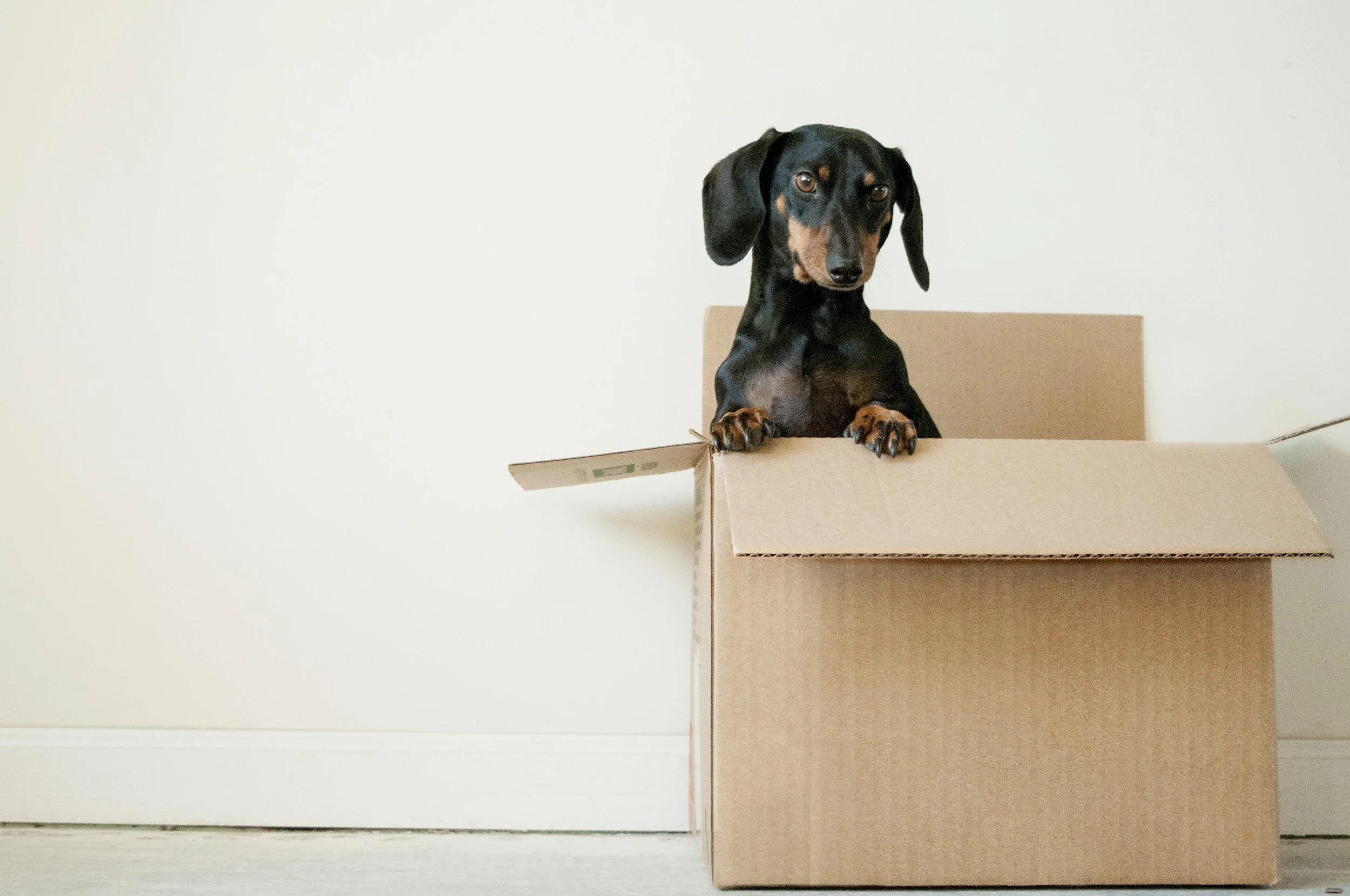
Grab an empty box out of the recycling. Throw in some of your dog’s dinner, close the box and offer it to your dog. If this is too tricky to begin with leave the box open, or if this is too easy for your dog add some scrunched up paper, so they need to search harder for the food.
The inner tube from toilet rolls are another option. Pop some food inside and pinch the ends closed.
Behavioural Benefits:
Brain work – how do I access the food?
Shredding – some dogs get really into shredding boxes to access the food.
Sniffing – they will use their nose as they try and figure out what is inside.
Supervise your dog with this one to make sure they don’t eat any of the box once the food is over.
What’s in the box?
A meal delivered in a bowl might be tasty but is often gone in a minute. Feeding in a food bowl doesn’t encourage other dog behaviours associated with eating. Delivering your dog’s meal in a cardboard box can be messy but hugely beneficial.
Hide and Seek
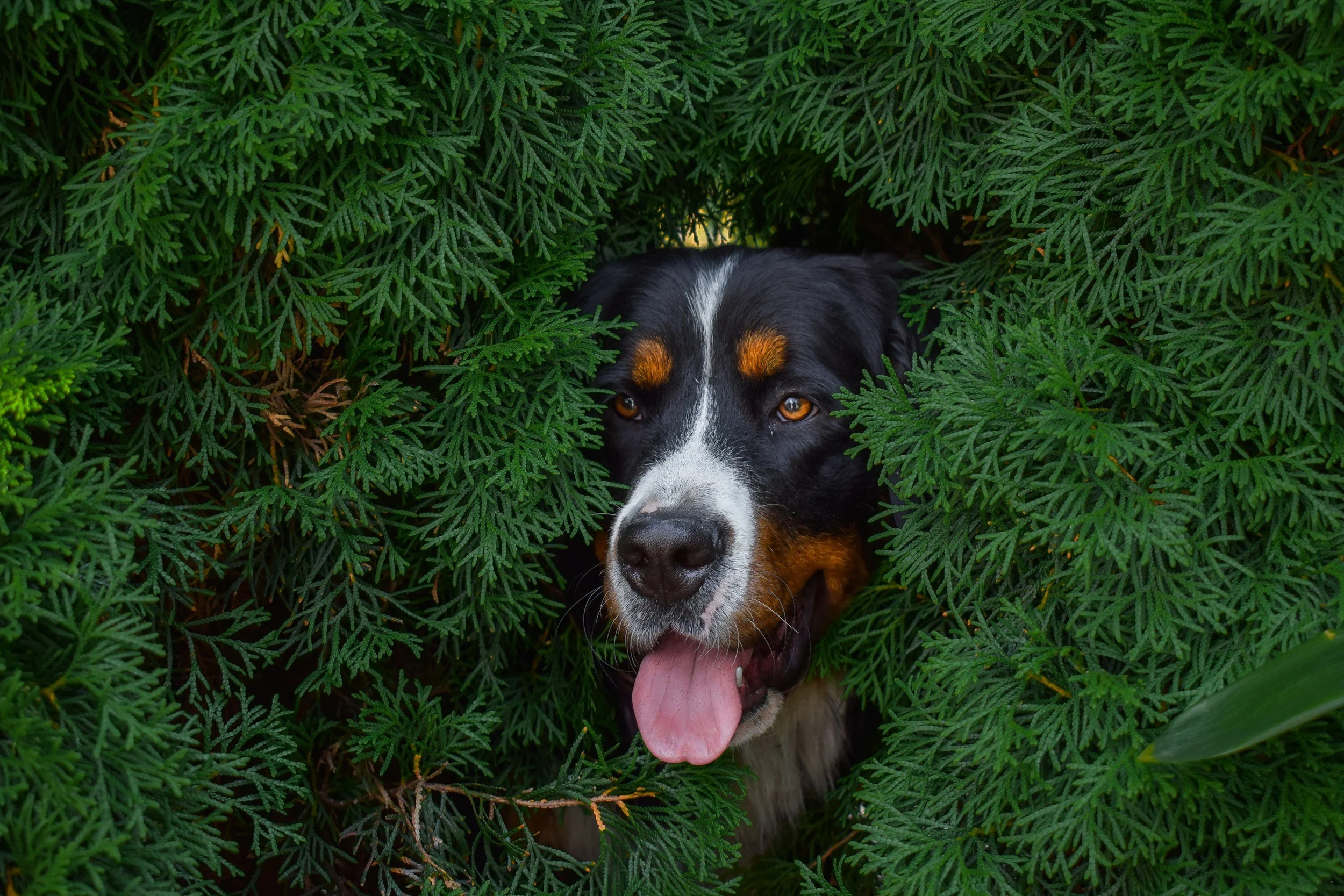
Playing with your dog is essential. Dogs are a social species, they need connection with us. Plus games are fun! This one incorporates sniffing and movement. A good one for kids with adult supervision.
8,9,10….. Here I come
What to Do
Hide somewhere in your house and call your dog, how long do they take to find you? Remember start easy, increase difficulty as your dog gets the idea.
You can play hide and seek with toys too. To start let your dog see you hide a favourite toy, somewhere easy to access, maybe even just toss it on the floor to start with. Ask them to find it! Reward with a game of tug or a food treat when they find it, bonus points if they pick it up and bring it to you. Once they get the idea start hiding the toy without showing them where it is.
Behavioural Benefits
Bonding – playing with your dog strengthens your relationship.
Sniffing – as they try to find you
Movement – as they run around trying to find you

DIY Snuffle mat
Sniffing again! It so important for your dog we feel that they can’t do enough of it!! You can buy snuffle mats from most pet stores but there are ways to gain the same benefits without buying new toys.
What to do
Grab an old towel, sprinkle some treats on it and roll it up, let your dog’s nose do the rest. Toggle bathmats work well too or an old t shirt whatever you have around. Be sure not to roll too tightly at first, tasks that are too hard for your dog can cause frustration. Start easy increase difficulty slowly.
Behavioural benefits:
Good old sniffing again - helps to calm and focus your dog
Physical activity - moving around the item
Brain work - where is that food? Sniffing stimulates the senses.
Toss the food game
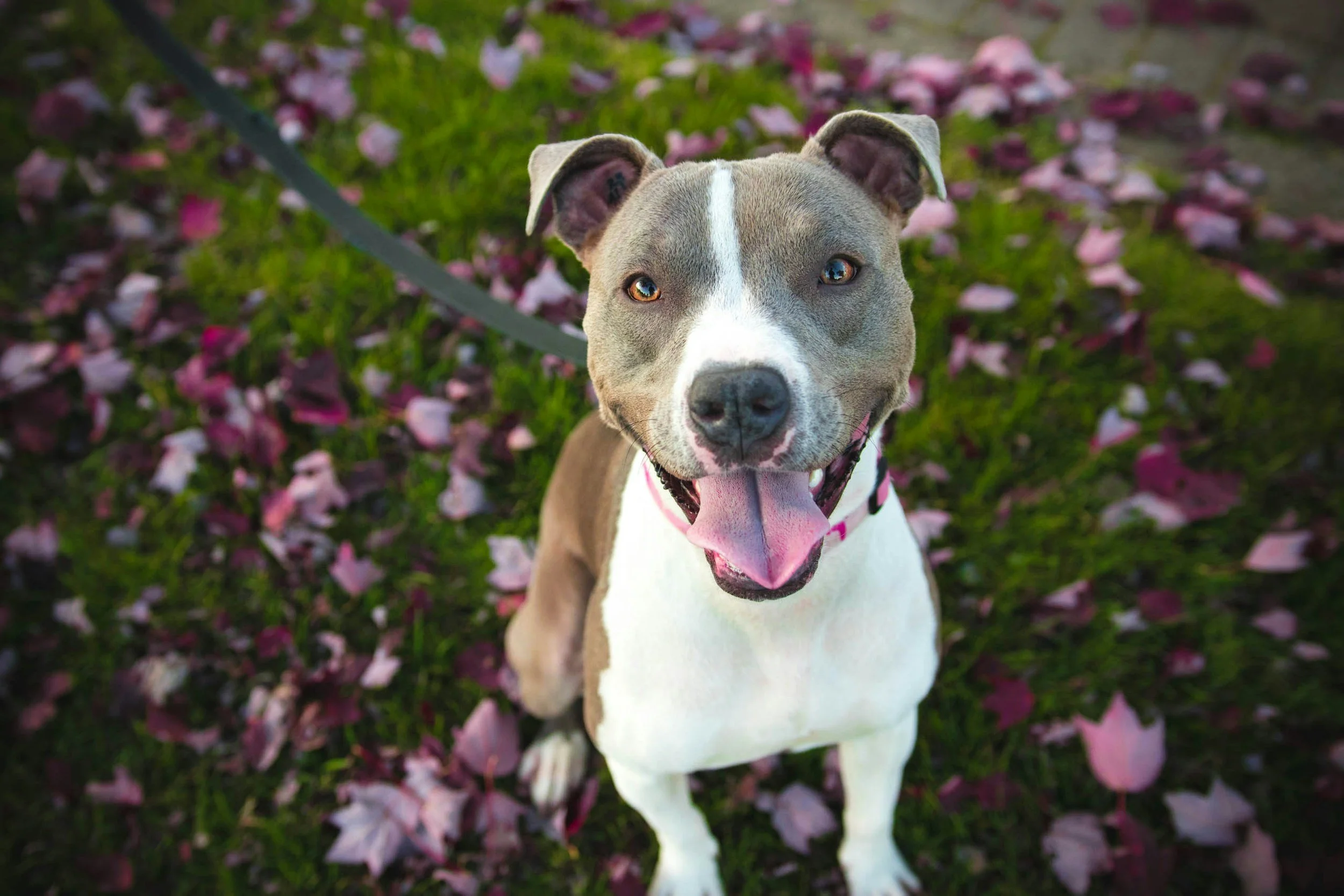
This is a great little movement game that helps increase your dog’s focus on you.
What to do
With your dog in front of you on lead and some food treats at the ready ask them for a sit / drop, any behaviour that they know. Say ‘free’ and toss a treat to the side, help them find it until they get the idea, then bring them back into the starting position. Ask for a behaviour and repeat.
You can mix up the behaviour you are asking for. Initially play in a low distraction environment around the home. As your dog gets more confident with the game and what to do, you can play in increasingly distracting environments. Having them on a longer lead will mean you can toss the treat further having them cover more distance.
Practice in higher distraction environments
This video demonstration illustrates what the game should look like – Sort of! Wolfie was seven when I filmed this and has always been the lowest energy dog you will ever meet. What we are aiming for is your dog to be running after their treat and back to you again.
Behavioural Benefits:
Brain game – get you dog thinking.
Active – movement use up energy
Bonding – strengthen your relationship
Attention – rewards your dog for listening to you
Sniffing – finding the treat.